Overview
AI-driven sustainability solutions for aviation
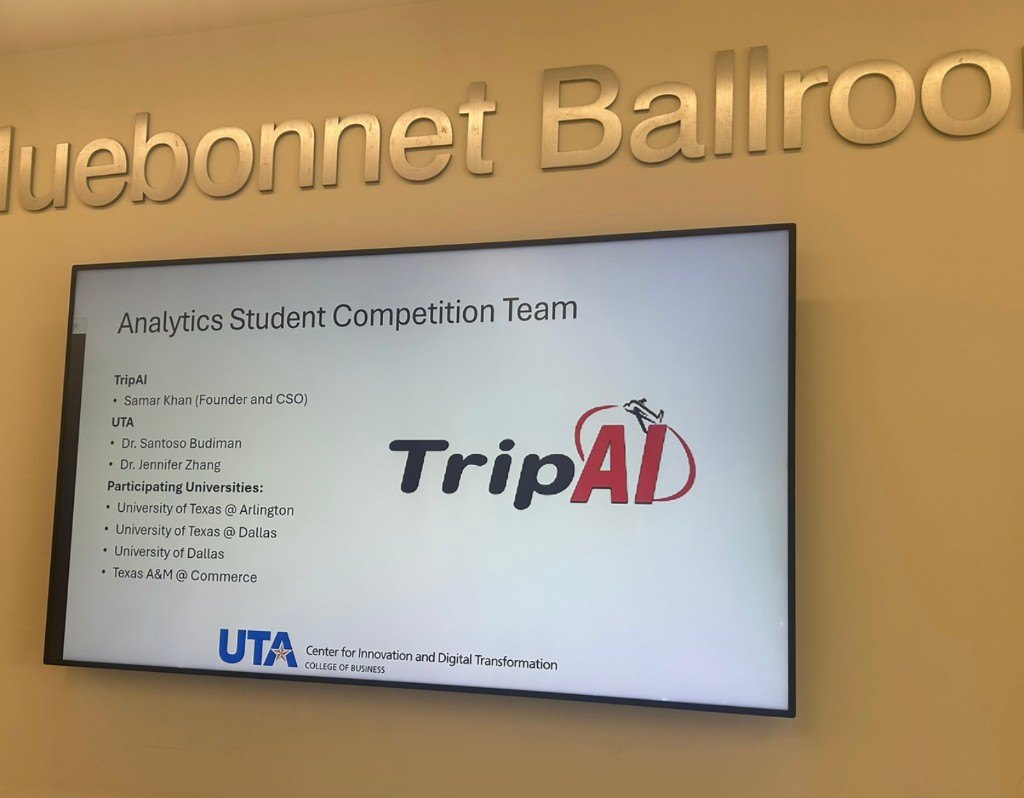
2025 Student Analytics Competition Overview Hosted by TripAI in collaboration with UTA
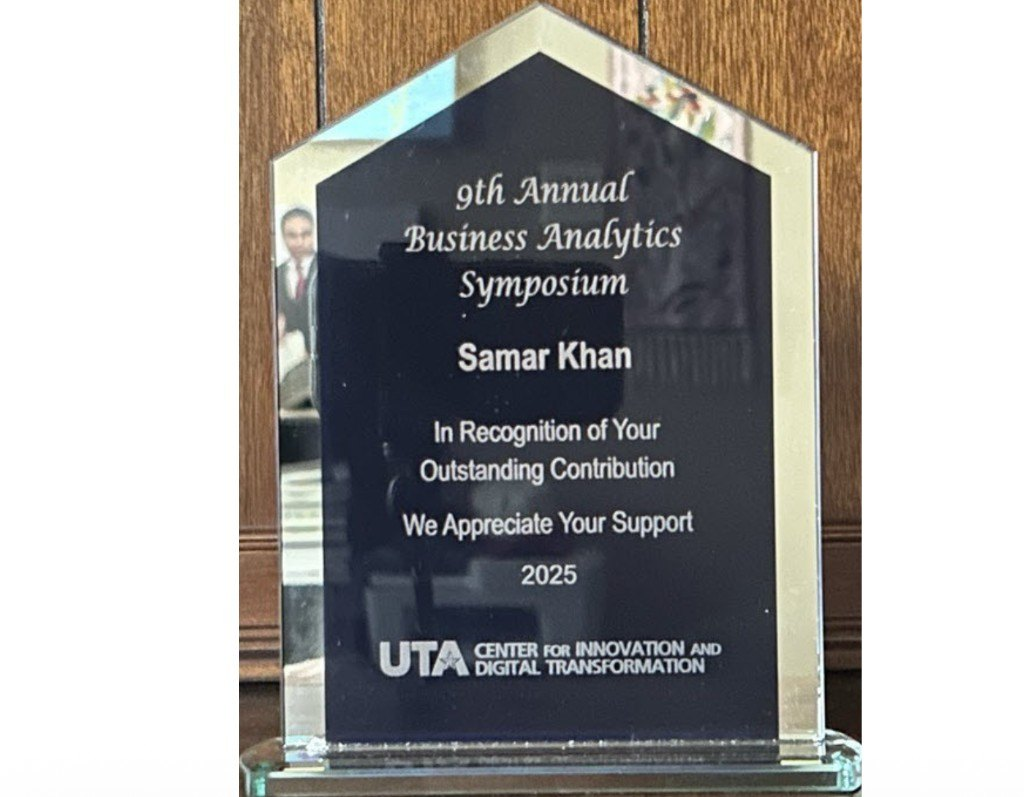
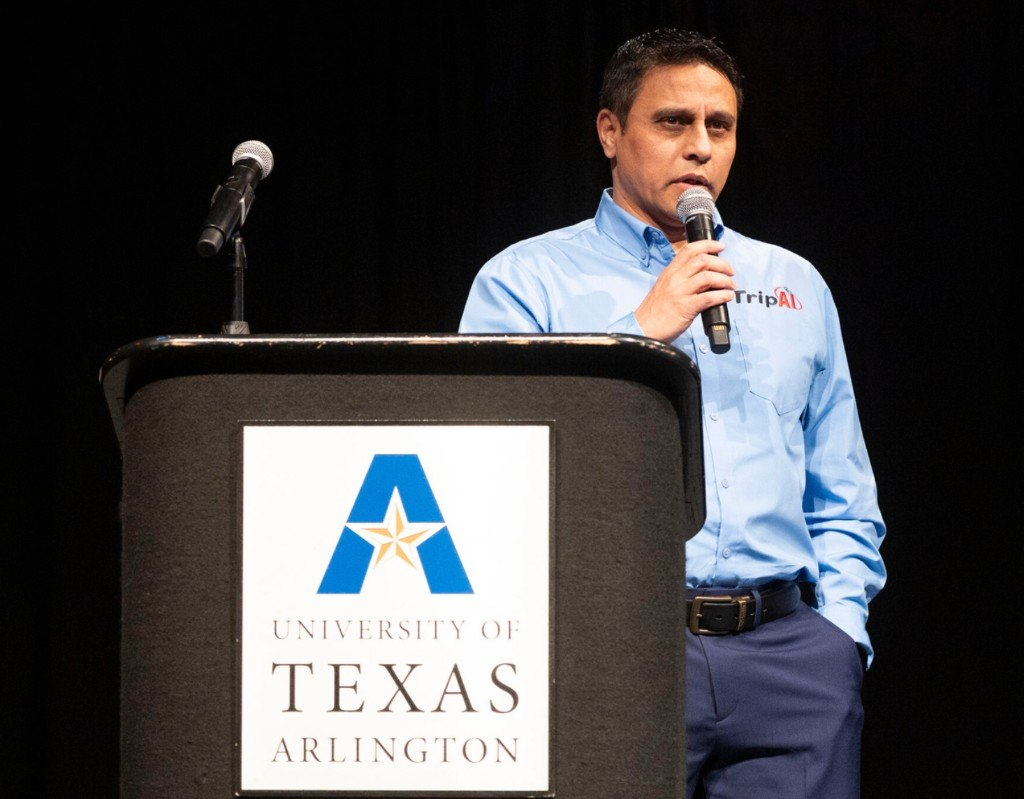
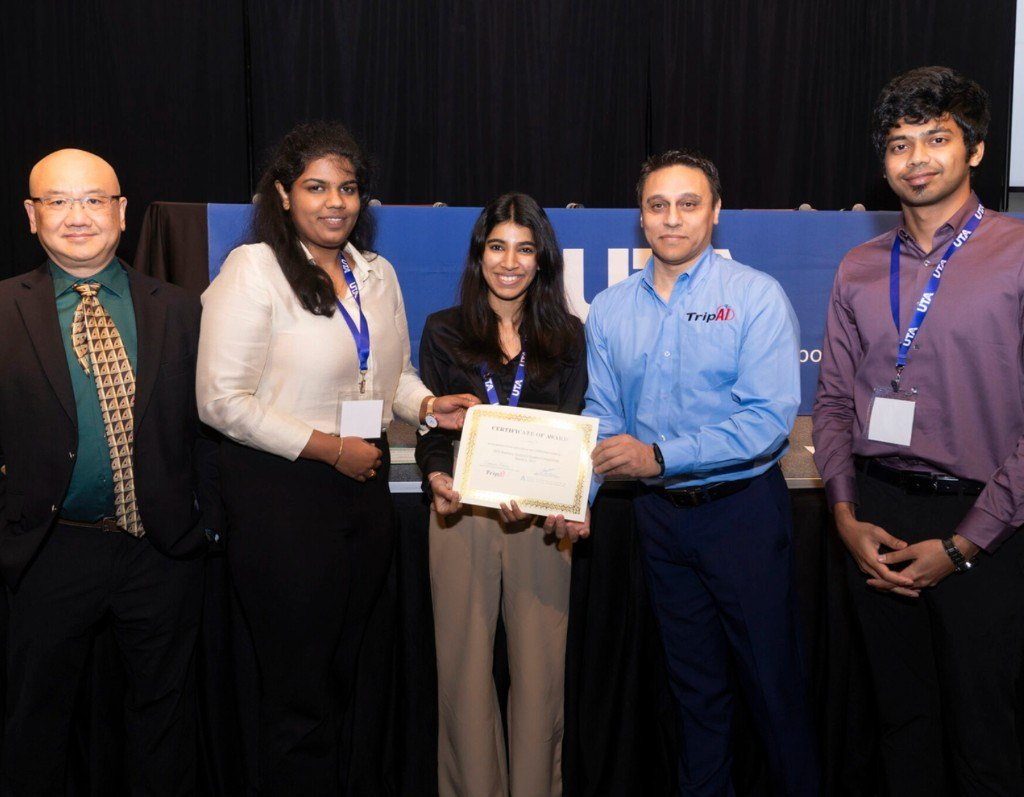
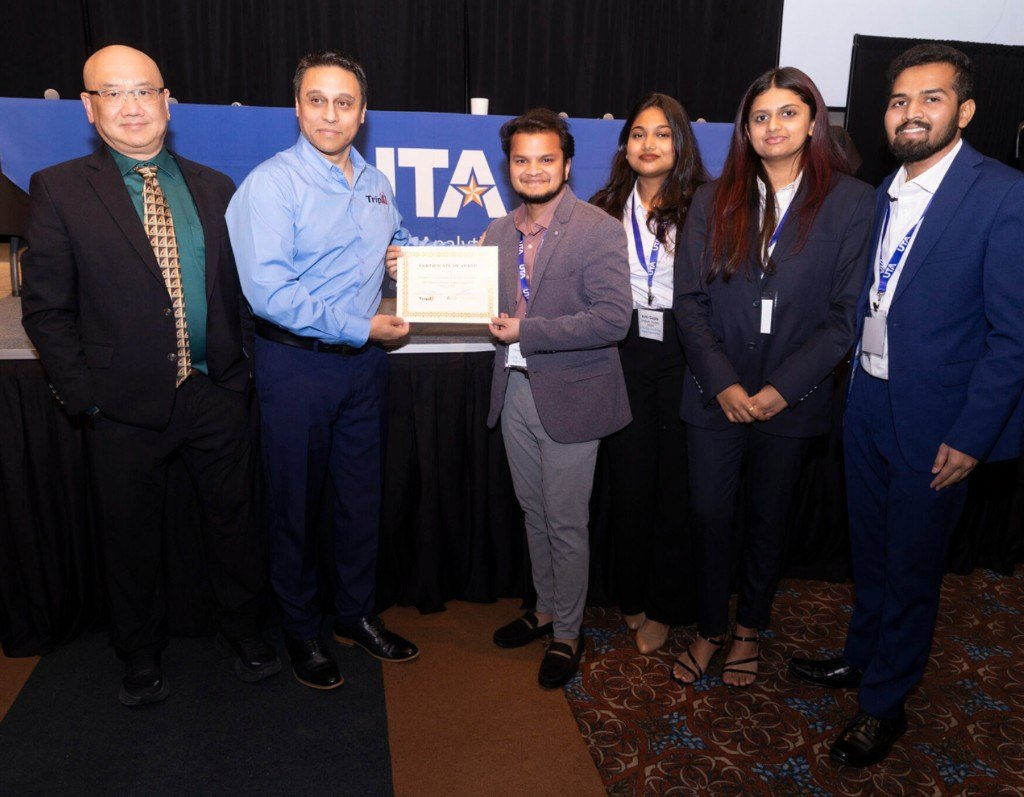
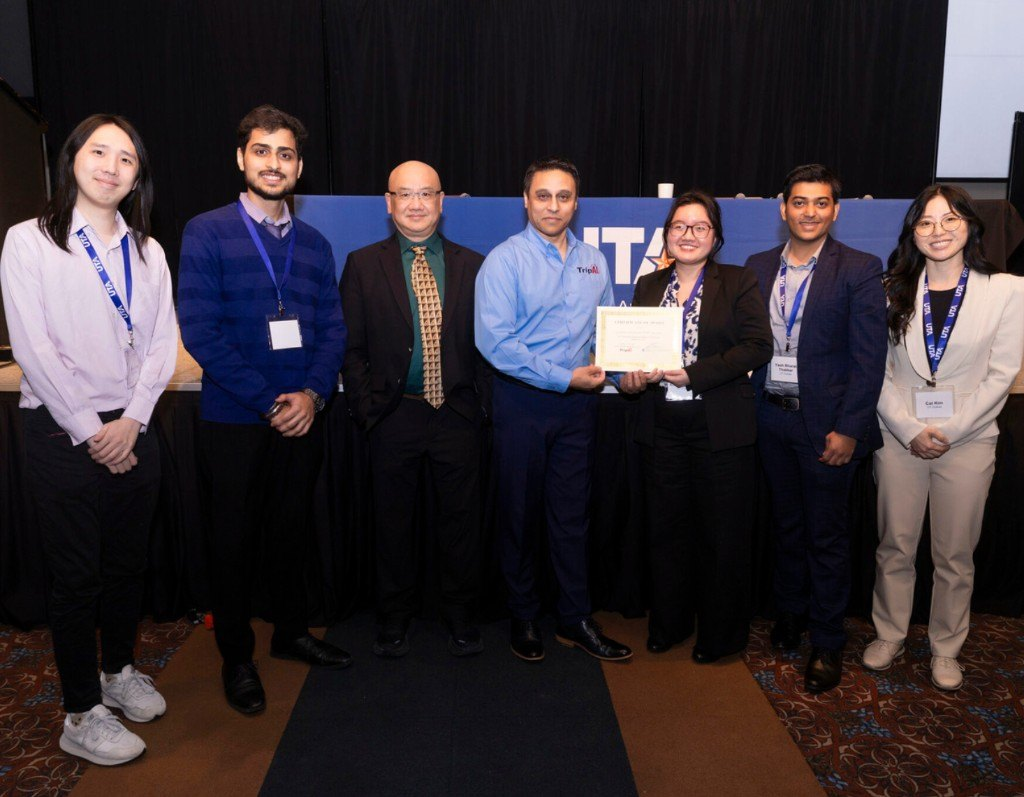
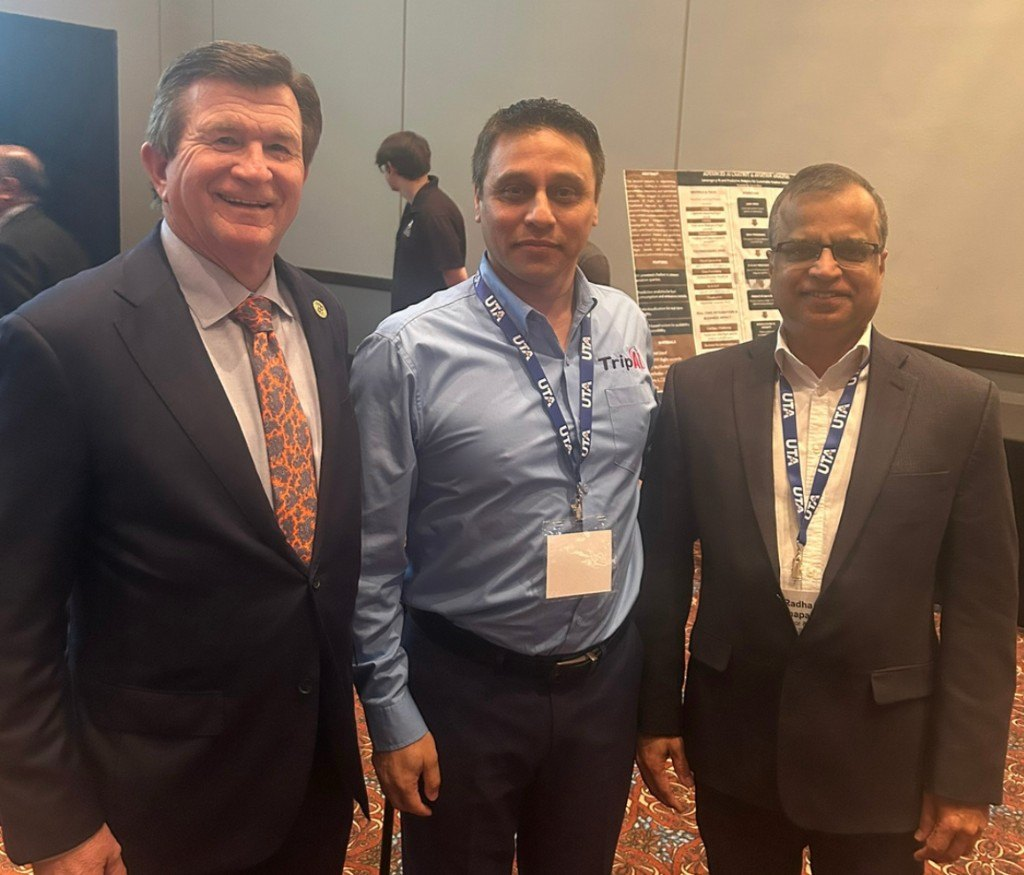
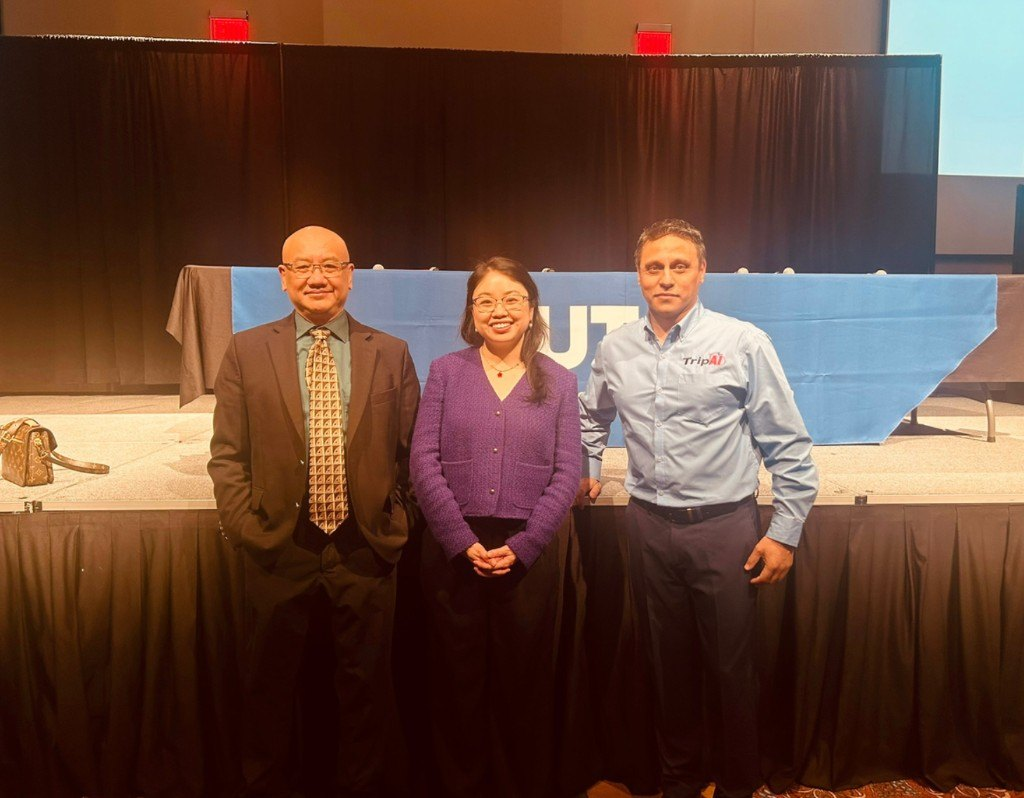
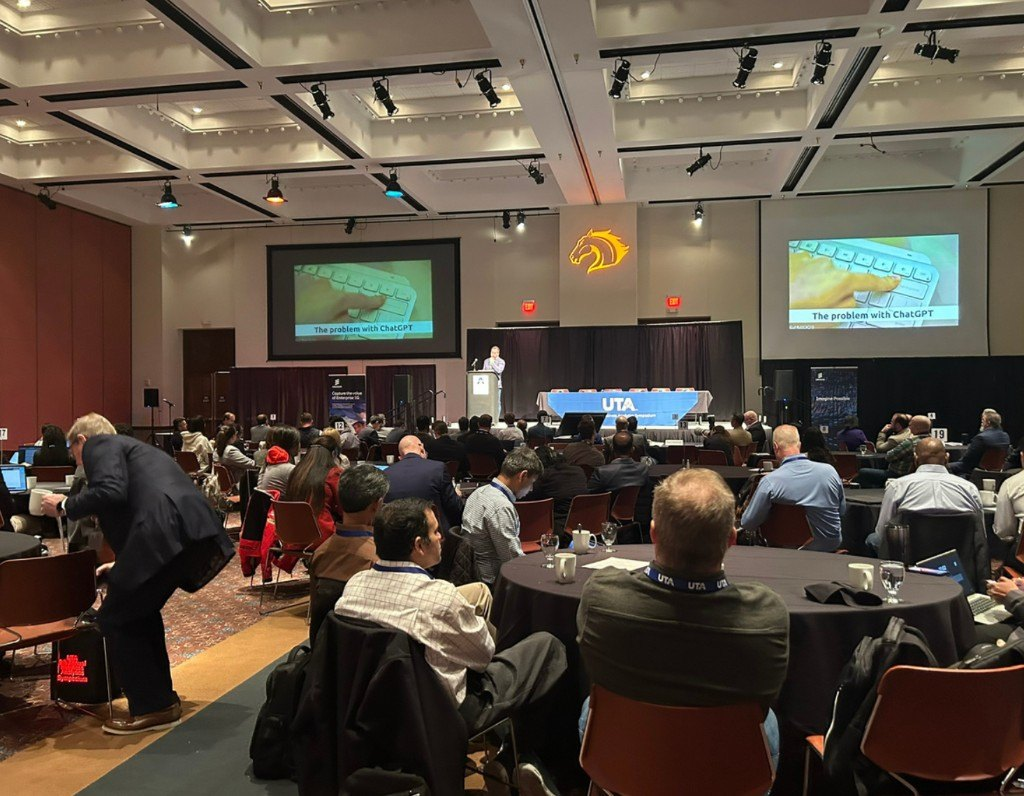
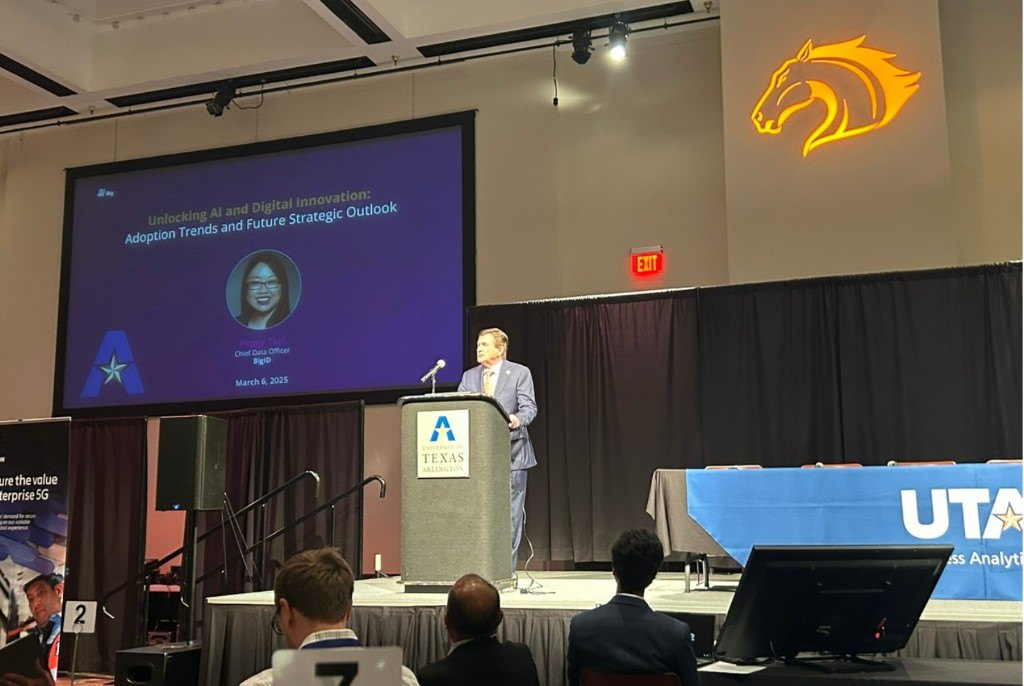
The 9th Annual Business Analytics Symposium at The University of Texas at Arlington (UTA) brought together industry leaders, academics, and aspiring data scientists to explore the transformative power of AI, data analytics, and business intelligence. As the exclusive sponsor of the Business Analytics Student Competition, TripAI Technologies supported students in developing AI-driven solutions for sustainability in aviation by providing real-world aviation data, technical guidance, and industry insights. TripAI designed a real-world aviation challenge, requiring participants to leverage cloud technologies (AWS, GCP, Azure) to build AI-driven chatbots, analyze aviation trends, visualize fuel burn and emissions, develop predictive models, and create document-based AI assistants for complex queries. Students also proposed AI-powered fuel efficiency strategies, bridging academic learning with real-world sustainability challenges in aviation. To support participants, TripAI provided structured guidance, real aviation data (carrier code XH), and flight-specific fuel burn and emissions metrics.
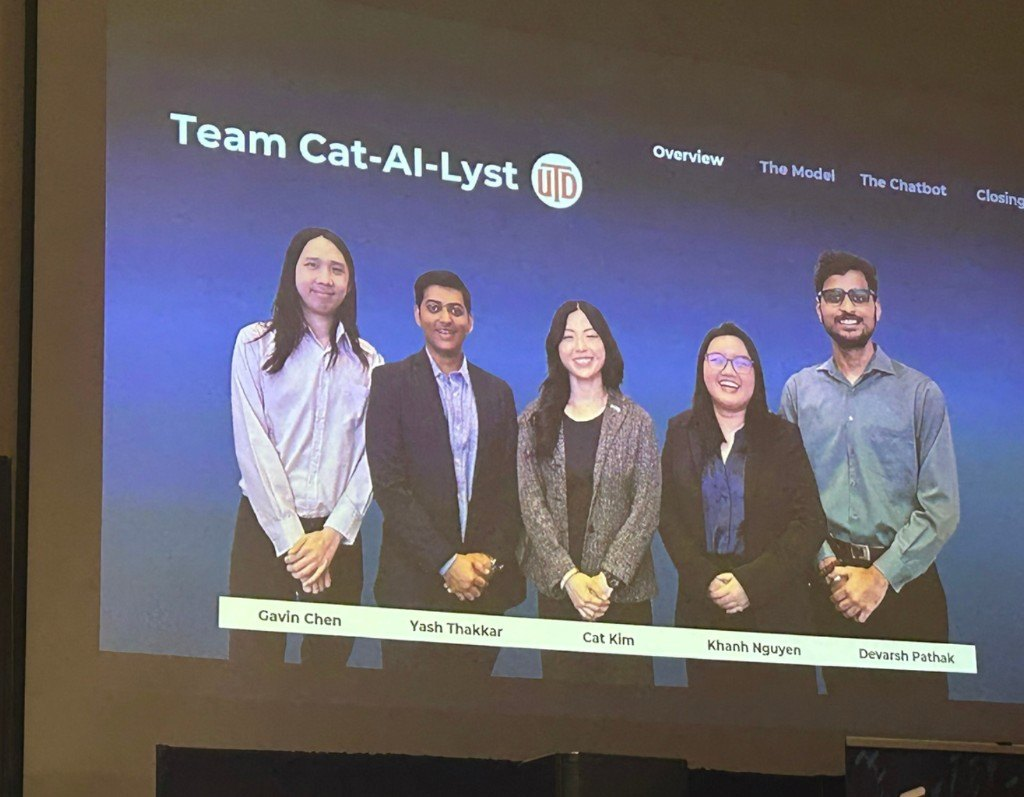
With forty teams from top universities competing, the event showcased exceptional talent and creativity, pushing the boundaries of AI applications in aviation fuel efficiency, emissions reduction, and predictive analytics. This collaboration between academia and industry highlighted the importance of bridging theoretical learning with real-world problem-solving, reinforcing the role of AI in shaping a more sustainable future. From insightful keynotes and engaging panel discussions to hands-on student innovation, the symposium underscored TripAI’s commitment to research, education, and AI-driven sustainability solutions. Looking ahead, we are excited to integrate some of the groundbreaking ideas presented and continue our partnerships with UTA and the broader academic community.
9thAnnual symposium
40Teams competed
2025Student competition