Fuel Tankering Optimization: Finding the Real Economic Opportunity
How TripAI helps airlines compare tankering options, account for carry cost and learn from actual flight outcomes.

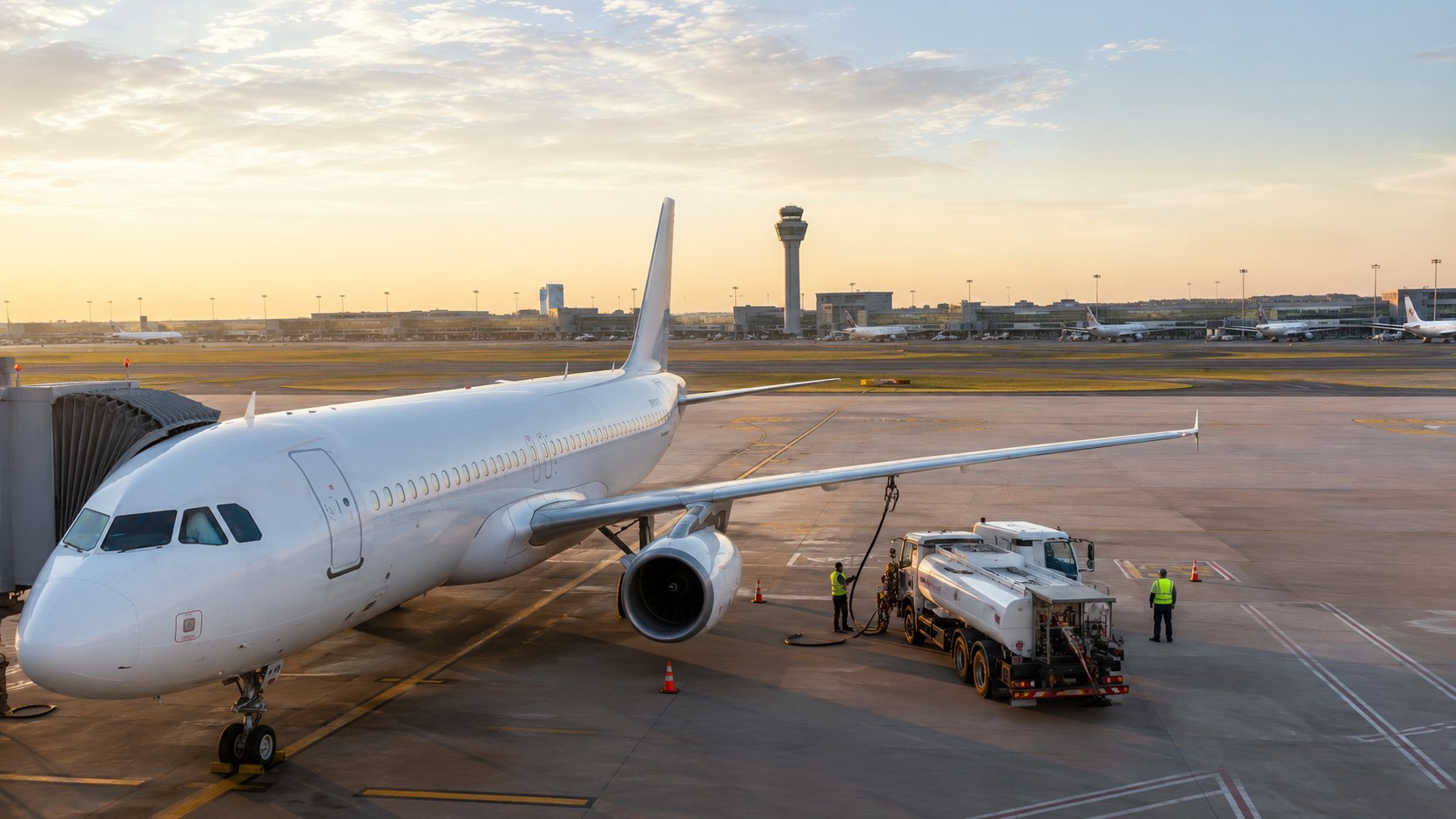
Illustrative only. Not a fuel order or flight plan.
Every flight leaves with an approved fuel plan. It accounts for the planned journey, expected conditions, required reserves and the airline's operating procedures.
Sometimes fuel costs less at the departure airport than at the destination. An airline may then choose to carry extra fuel from the cheaper station and buy less after landing. This is commonly called economic fuel tankering.
The price difference is only the starting point. Extra fuel adds weight, and carrying that weight causes additional fuel burn. It can also reduce payload or performance margin, increase emissions and affect the landing weight. Some of the extra fuel is therefore consumed before it reaches the destination.
TripAI complements the airline's existing flight-planning and fuel processes. It helps teams identify where an opportunity may exist, compare practical fuel quantities and measure what happened after the flight.
The question is not simply where fuel is cheaper. It is whether carrying extra fuel still creates value after carry burn and operational constraints are considered.
- Fuel price differential
- Aircraft-specific carry burn
- Payload, weight and performance constraints
- Destination fuel cost and availability
- Expected financial and emissions impact
Challenge: A Lower Fuel Price Does Not Always Mean a Better Decision
“The useful question is not simply where fuel is cheaper. It is how much extra fuel, if any, still creates value after the cost of carrying it and the operational constraints are taken into account.”
— Samar Khan & Tony Mamakos, TripAI
Fuel prices can vary significantly between airports, but the apparent saving can narrow once the aircraft has to carry the extra weight. The result changes with aircraft type, route length, payload, weather, expected routing and the amount of fuel considered.
Full tankering may create the greatest price advantage, but it also creates the largest carry penalty. Partial tankering may provide a better balance. On some flights, carrying no extra fuel is the right answer.
The decision must also fit the aircraft, the route and the airline's approved process. Fuel capacity, takeoff and landing weight, runway performance, payload, required reserves, destination supply, local requirements and airline procedures remain controlling.
The challenge is not finding the cheapest fuel price. It is finding the fuel quantity that remains worthwhile after the extra burn and all operational constraints are considered.
How TripAI Evaluates the Opportunity
TripAI works alongside the airline's approved process, from identifying an opportunity to validating the outcome.
Identify
Screen routes where a meaningful opportunity may exist using actual fuel prices, aircraft, payload, route and destination conditions.
Calculate
Estimate the carry-burn penalty for practical quantities using airline-controlled flight-planning and aircraft-performance data. The penalty varies by aircraft, weight, route and operating conditions.
Compare
Compare no, partial and full tankering, showing carry burn, net fuel delivered, estimated financial impact and emissions. Options that do not meet the airline's approved constraints are withheld.
Update
Recalculate or withdraw the option when important inputs change. A recommendation should not survive after its assumptions become stale.
Validate and Learn
After the flight, compare the recommendation with actual uplift, operating conditions, fuel used and fuel remaining. This closes the loop between modelled opportunity and validated outcome.
Where enough reliable history exists, analytics and machine learning can help prioritise flights and improve estimates. Approved aircraft calculations, fuel policy and operational judgement remain controlling.
What the Airline Receives
- Routes screened for meaningful opportunity
- No tankering, partial tankering and full tankering compared consistently
- Carry burn, cost and emissions shown together
- Clear reasons for recommending or withholding an option
- Post-flight learning by fleet, route and station
The result is a traceable comparison of practical fuel options, not a rule that more tankering is always better.
TripAI screens, compares and measures. The airline's approved flight-planning system, fuel policy and authorised personnel determine the operational fuel load.
- Airline-controlled prices and operational data
- Aircraft-specific carry-burn estimates
- Approved fuel, weight and performance constraints
- Operational authority remains unchanged
- Full assumption and decision history
- No recommendation when inputs are incomplete or stale
Analytics may support comparison and calibration, but they do not set required reserves, define aircraft limits or release the flight.
Read the Fuel Tankering Optimization Q&A →